


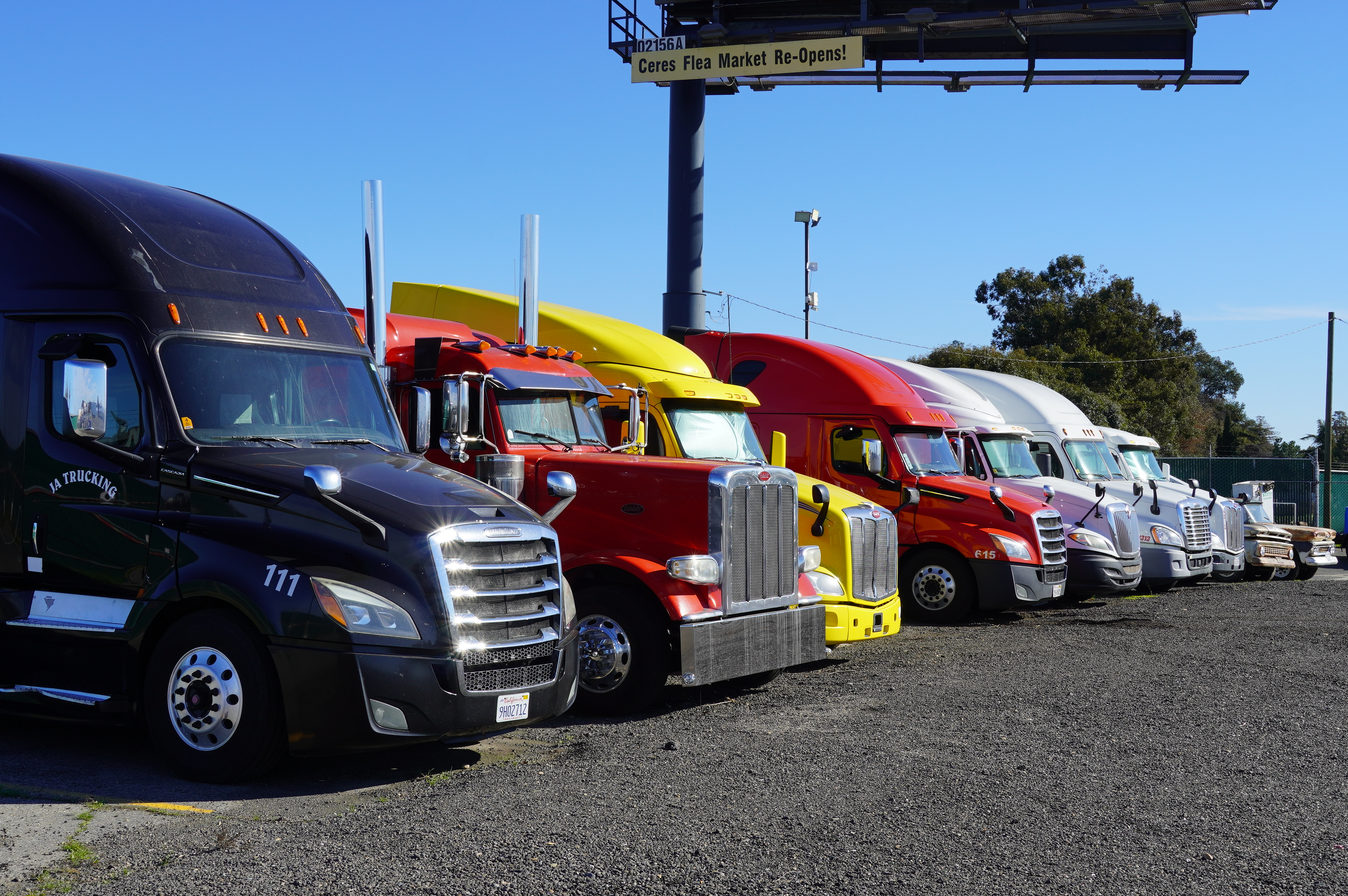
The Department of Transportation (DOT) enforces strict drug and alcohol testing regulations for commercial drivers to maintain road safety. Any company operating commercial motor vehicles (CMVs) must ensure that its drivers comply with these testing requirements.
When Are DOT Drug & Alcohol Tests Required?
- Pre-Employment Testing – Drivers must pass a drug test before starting work.
- Random Testing – Employers must conduct unannounced drug and alcohol tests throughout the year.
- Post-Accident Testing – If a driver is involved in a serious accident, they must undergo a drug and alcohol test.
- Reasonable Suspicion Testing – If a driver shows signs of being under the influence, they must be tested.
- Return-to-Duty & Follow-Up Testing – If a driver tests positive, they must complete a return-to-duty process before being allowed back on the road.
Consequences of Non-Compliance
Failing to comply with DOT drug and alcohol testing regulations can result in serious consequences:
- Fines and Penalties – Companies can face thousands of dollars in fines.
- Loss of Operating Authority – FMCSA may revoke a carrier’s ability to operate.
- Legal Liability – If a driver under the influence causes an accident, the company could face lawsuits.
To simplify compliance, many trucking companies use third-party administrators to manage their testing programs. These services ensure drivers are tested on time, records are maintained, and companies meet DOT requirements.

1 Comment
Fast Trucks April,25 2025
hello